You are searching for the best Juki industrial sewing machine. This is a major investment for your professional workshop. You need a machine that delivers speed and reliability.
Juki is the world leader in industrial sewing technology. Choosing the right model (DDL, LU, DNU) requires deep knowledge. We promise to make this complex decision simple for you.
This guide helps you find the perfect Juki machine. You will get the highest speed, durability, and precision.
Industrial Juki Machine Types Explained
You must understand the main types of industrial machines. Each category is built for a specific sewing task. We will explain lockstitch, walking foot, and specialty models.
Top 5 Juki Industrial Machines at a Glance
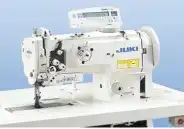
Here is a quick summary of top Juki industrial models. This table helps you compare the best options. Each machine links to our full in depth review.
| Model | Best For/ Key Feature | Highlight |
| Juki DDL 7000A | General Lockstitching / High Volume Apparel | Direct drive, high speed, integrated auto trimmer |
| Juki LU 1508N | Heavy Duty / Upholstery & Leather | Single needle, large hook, triple feed mechanism. |
| Juki DDL 8700 | The Industry Workhorse / Reliability | Extreme speed (5,500 SPM), low vibration, high durability. |
| Juki DDL 5550 | Budget Conscious / Classic Commercial Machine | Reliable, robust, excellent stitch consistency. |
| Juki DNU 1541S | Thick Materials / Professional Triple Feed | Safety clutch, large clearance, superior climbing. |
Model (Link to Review) .
Industrial Juki Machine Types
1. Single Needle Lockstitch (The Workhorse)
This is the most common industrial lockstitch machine. You use it for garment production and simple seams. It works best on medium weight fabrics like cotton and twill.
Key models include the DDL 7000A and DDL 8700. They offer high RPM speeds up to 5500. Many feature automatic thread trimming and direct drive servo motors.
2. Walking Foot (Compound Feed / Triple Feed)
A Juki walking foot sewing machine is for heavy materials. It is essential for leather, vinyl, upholstery, and canvas. This machine prevents material layers from shifting during sewing.
The feed dog, presser foot, and needle all move together. This synchronized triple feed gives you perfect, even stitches. Models like the LU 1508N and DNU 1541S excel here.
3. Specialty & Automatic Machines
Juki also makes highly specialized automated machines. These are built for one specific, repetitive task in a factory. They increase production speed and ensure perfect consistency.
The Juki MB 373 is a high speed button sewing machine. Other models automate buttonholes or bar tacking. These are for large scale manufacturing operations.
Critical Industrial Machine Features
You must learn the core technical features of these machines. This knowledge helps you understand power, speed, and material handling. Your choice impacts productivity and stitch quality.
The Powerplant Clutch vs Servo Motor
Industrial machines use two main motor types. Older clutch motors are loud but dependable. They consume high amounts of energy constantly.
The modern standard is an industrial servo motor. Servo motors are energy efficient and extremely quiet. They give you precise speed control for detailed work. Juki’s direct drive systems integrate this motor.
Feed Mechanism Drop vs Walking vs Unison
Drop feed is the standard for lockstitch machines. The feed dogs are below the plate. This is perfect for most garment sewing.
A walking foot is essential for non slip materials. It is also called needle feed or triple feed. Unison feed is a heavy duty system. All parts move together.
Speed and Stitch Control (SPM)
Speed is measured in stitches per minute, or SPM. A high speed lockstitch machine can hit 5500 SPM. This is necessary for commercial production speed.
Adjustable speed is a key feature of servo motors. You can slow the machine down for corners or thick materials. This gives you much better control.
Automatic Functions (Productivity Boosters)
Automatic functions save your operators valuable time. The Juki automatic thread trimmer (ATT) is a key example. It cuts threads at the end of a seam.
Other features include an automatic foot lifter. Programmable back tacking secures stitches automatically. These features reduce manual work and increase output.
The Industrial Juki Buyer’s Guide
This simple guide helps you make the right choice. Follow these steps to select your ideal machine. Your material and volume are the most important factors.
- First, define your primary material. Is it denim, leather, or upholstery? This determines if you need a lockstitch or walking foot machine.
- Second, determine your production volume. Are you sewing 100 pieces a day or 1000? This helps you choose the right machine speed.
- Third, calculate the total cost. You must buy the machine head, table, and motor. Shipping for these heavy items can be expensive.
- Finally, consider a new or used Juki. Used machines can save money but may lack new features. New machines offer full warranties and modern tech.
FAQ Juki Industrial Machines
You may still have some common questions. We have answered the most frequent ones below. This will help you complete your research.
How fast are Juki industrial machines?
Juki industrial machines are extremely fast. They typically sew between 4,000 and 5,500 stitches per minute. This is four to five times faster than a home machine.
What is the main difference between Juki industrial and home machines?
Industrial machines are single purpose tools. They are built from cast iron for speed and durability. Juki Home machines are multipurpose and made of lighter materials.
Juki vs Zoje Which is better for a new shop?
This is a common comparison for new shops. Zoje often has a lower initial price. Juki machines usually have a higher resale value. Juki parts are also widely available globally.